
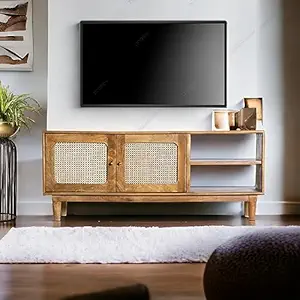
Introduction
In today’s modern households, the television is no longer just an electronic device—it has become the heart of the home. For many families, the TV corner is where everyone gathers after a long day, whether to watch the latest blockbuster, enjoy a cricket match, binge-watch web series, or simply catch up on news and daily entertainment.
In bachelor pads, studio apartments, and even luxury homes, the television holds a special spot in the living space because it symbolizes comfort, relaxation, and togetherness.
But while the TV itself gets a lot of attention, one essential piece of furniture often goes unnoticed—the TV table stand. At first glance, it might seem like a simple stand to place your television on, but in reality, it is so much more.
A TV table stand is a multi-functional piece that not only supports your TV securely but also enhances your home décor, adds character to your interiors, and offers much-needed storage space for everyday essentials.
From remote controls and gaming consoles to speakers, DVDs, decorative items, books, and even indoor plants, a TV stand serves as both a functional and aesthetic unit in the home.
The role of a TV stand has evolved significantly over the years. In the past, when televisions were large, box-shaped, and heavy, people relied on big, sturdy wooden cabinets. These bulky units often occupied a lot of floor space but provided durability.
However, with the arrival of slim LED, LCD, and smart TVs, the design of TV stands has undergone a complete transformation. Today, homeowners look for compact, sleek, stylish, and practical designs that reflect modern lifestyles while saving space and adding convenience.
The popularity of TV table stands has grown rapidly in recent years, thanks to several lifestyle and market factors. Firstly, there has been a rise in interior design awareness, with people taking pride in decorating their living spaces beautifully.
A plain TV mounted on a wall may look empty, but a well-chosen TV stand adds charm, balance, and personality to the room. Secondly, the boom in online furniture shopping has given customers access to endless options, from affordable compact TV stands to premium designer furniture, all available at the click of a button.
Lastly, as homes get smaller and space becomes more precious, furniture needs to serve more than one purpose. TV stands are no exception—they now come with built-in shelves, drawers, cable management systems, and even hidden compartments to make the most out of every inch of space.
Another factor driving the demand is the shift in lifestyle. Today’s generation is more technology-driven than ever before. Televisions are no longer used just for cable TV; they are entertainment hubs that connect to Netflix, Amazon Prime, YouTube, gaming consoles, home theaters, and sound systems.
All these gadgets need an organized setup—and this is where the TV stand becomes essential. Without it, wires, remotes, and devices can make the area look cluttered. With the right stand, the entertainment zone looks neat, clean, and stylish.
More than just furniture, TV stands also reflect the personality of the homeowner. Minimalist stands with clean lines suggest modern and elegant tastes. Wooden rustic units bring a touch of warmth and tradition.
Glossy white or glass TV stands indicate a futuristic and contemporary vibe. For those who love customization, modular and floating TV stands add flexibility and uniqueness.
This blog will serve as your ultimate guide to TV table stands. We will explore their history and evolution, the wide variety of types available in the market, key features you should consider before buying, the benefits of having one in your home, styling and decorating ideas, maintenance tips, and even the latest furniture trends of 2025.
So, whether you are someone who just bought a brand-new smart TV and are looking for the perfect stand, or you’re redecorating your living room and want to upgrade from your old bulky cabinet, this long-form guide will help you make the right choice.
By the end, you’ll not only know how to select a TV table stand but also how to use it as a statement piece that elevates your living space.
Evolution of TV Table Stands
The story of TV table stands is closely tied to the evolution of the television itself. As televisions have transformed over the decades—from bulky black-and-white boxes to sleek, ultra-thin smart screens—the furniture that supports them has also undergone a fascinating journey. Understanding this evolution not only gives us perspective but also highlights how design trends, technology, and lifestyle needs have shaped the TV table stand we see in homes today.
The Early Years – Bulky Cabinets for Box TVs
When televisions first became popular in the mid-20th century, they were large, heavy, and box-like. Early TV sets often weighed over 30–40 kilograms and had deep backs due to cathode ray tubes (CRTs). To support such massive structures, sturdy wooden cabinets were the go-to option. These cabinets were usually made of hardwood like oak or teak and often doubled as multipurpose furniture. In many homes, the TV cabinet also stored books, vinyl records, radios, and even family photo frames.
These early designs reflected the era’s love for solid, durable, and multifunctional furniture. A TV was considered a luxury item back then, so people wanted to showcase it in a prestigious way, often making the TV stand a centerpiece in the living room.
The 1980s and 1990s – Entertainment Units Take Over
By the 1980s, televisions became more widespread and slightly less bulky, but still far from slim. During this time, the entertainment unit became the standard. These were large wall-sized furniture pieces that combined space for the TV, VCR players, cassette decks, speakers, and storage for cassettes, CDs, and other media.
Most entertainment units were rectangular, heavy, and multipurpose, designed to hold everything in one place. They were popular in middle-class homes because they gave the living room a “complete” look while hiding clutter. However, the drawback was that they took up a huge amount of space, making them impractical for small apartments.
The 2000s – The Rise of Flat-Screen TVs
The late 1990s and early 2000s brought one of the biggest revolutions in TV technology—the rise of flat-screen TVs (LCD and Plasma). These televisions were slimmer, lighter, and required less space. Naturally, this changed the furniture landscape.
TV stands became sleeker and more compact. Instead of bulky wooden units, people shifted towards minimal designs made of glass, metal, and engineered wood. The concept of open shelving and modular units became popular, giving homeowners the flexibility to rearrange according to their space.
This era also saw the emergence of corner TV stands, designed specifically for smaller homes and apartments where space-saving was essential.
The 2010s – Wall-Mounted TVs and Floating Stands
With LED and OLED TVs becoming the norm, wall-mounting gained popularity. Slim TVs could now be mounted like a painting, eliminating the need for heavy stands. But homeowners still needed storage for consoles, set-top boxes, and sound systems. This led to the rise of floating TV stands—wall-mounted shelves or cabinets that sat below the television.
Floating TV stands became a modern trend because they combined style and function. They gave rooms a clean, uncluttered look while still offering storage. Materials like high-gloss finishes, tempered glass, and engineered wood dominated this era, matching the contemporary décor styles of urban apartments.
The 2020s – Smart, Modular, and Aesthetic Stands
As smart TVs became mainstream, the role of TV stands evolved further. Today, TV table stands are not just about functionality—they are a statement piece in interior design. People choose them to reflect their personal style, whether it’s minimalist, Scandinavian, industrial, rustic, or luxury.
Modern stands come with features tailored to digital lifestyles, including:
-
Built-in cable management systems to hide wires.
-
Adjustable shelving for soundbars, gaming consoles, and Wi-Fi routers.
-
LED lighting for ambience.
-
Eco-friendly materials like bamboo and recycled wood, catering to sustainability trends.
-
Hybrid designs, combining wall-mounts with stands for maximum flexibility.
The Future of TV Stands
Looking ahead, the future of TV table stands seems exciting. With home automation and smart homes on the rise, TV stands may soon come equipped with wireless charging stations, Bluetooth speakers, and even AI-powered features. Designers are also experimenting with foldable, modular, and customizable units that can adapt to different room sizes and layouts.
What began as a simple wooden cabinet has now become a blend of technology, style, and lifestyle needs. The journey of TV table stands mirrors our changing relationship with technology and design—showing us how furniture evolves to keep pace with the times.
Types of TV Table Stands
When it comes to furnishing your living room, the choice of a TV table stand can make a huge difference. Not only does it affect the visual appeal of your space, but it also influences functionality, organization, and comfort. TV stands today come in a wide variety of styles, materials, and designs—each catering to different tastes, budgets, and space requirements.
Let’s explore the most popular types of TV table stands in detail:
3.1 Wooden TV Table Stands
Wooden stands are the classic choice for many households. They exude warmth, elegance, and durability, making them a timeless option. From solid teak and oak to engineered wood and MDF, wooden stands are available in different price ranges to suit every budget.
-
Pros:
-
Strong and long-lasting.
-
Complements both modern and traditional interiors.
-
Wide variety of finishes (natural, polished, matte, painted).
-
Provides excellent storage with drawers and cabinets.
-
-
Cons:
-
Can be heavy and difficult to move.
-
Susceptible to scratches and water damage if not maintained.
-
-
Best For: Families looking for a durable, elegant, and traditional piece of furniture.
3.2 Glass TV Table Stands
Glass stands are designed for those who love a modern, sleek, and contemporary look. They usually come with a metal frame for support and tempered glass shelves that hold electronics like DVD players, gaming consoles, and speakers.
-
Pros:
-
Minimalistic and stylish appearance.
-
Creates the illusion of space (great for small rooms).
-
Easy to blend with different décor styles.
-
-
Cons:
-
Requires frequent cleaning (shows fingerprints and dust).
-
Less durable compared to wood or metal.
-
Not ideal for homes with young children due to breakage risks.
-
-
Best For: Urban apartments, bachelors, and those with modern interiors.
3.3 Metal TV Table Stands
Metal stands are valued for their industrial, sturdy, and contemporary designs. They are often combined with wood or glass for a mixed-material effect. Powder-coated finishes add durability and prevent rust.
-
Pros:
-
Very durable and strong.
-
Lightweight compared to wooden stands.
-
Perfect for industrial or modern décor styles.
-
-
Cons:
-
Can look cold or impersonal in cozy spaces.
-
Limited storage compared to larger wooden units.
-
-
Best For: Industrial-themed interiors, loft apartments, or budget-friendly modern homes.
3.4 Wall-Mounted TV Stands
Wall-mounted stands are perfect for minimalists who want a clean, clutter-free look. These stands attach to the wall, often directly under a wall-mounted TV, and usually include shelves or cabinets for storage.
-
Pros:
-
Saves floor space.
-
Modern and stylish.
-
Great for cable management and keeping things organized.
-
-
Cons:
-
Requires professional installation.
-
Limited weight capacity compared to floor-standing units.
-
-
Best For: Small apartments, minimalistic interiors, or rooms where saving space is essential.
3.5 Free-Standing TV Stands
The most common type, free-standing TV stands rest on the floor and are available in countless designs and sizes. They may be simple open-shelf models or elaborate entertainment centers with drawers and side cabinets.
-
Pros:
-
Easy to move and rearrange.
-
Wide range of designs and price options.
-
Ample storage for electronics and décor items.
-
-
Cons:
-
Takes up floor space.
-
May look bulky in smaller rooms.
-
-
Best For: Families who want flexibility and plenty of storage.
3.6 Floating TV Units
Floating units are a modern design trend that gives the illusion of a “levitating” stand. These are wall-mounted and often paired with LED lighting to create a futuristic look.
-
Pros:
-
Extremely stylish and modern.
-
Saves floor space.
-
Easy to clean under (no dust buildup at the base).
-
-
Cons:
-
Limited weight capacity.
-
Installation can be tricky.
-
-
Best For: Minimalist and futuristic living spaces.
3.7 Corner TV Stands
Corner TV stands are designed to fit into unused corners, making them a great space-saving solution. They are available in wooden, glass, and metal designs.
-
Pros:
-
Maximizes space in small or awkwardly shaped rooms.
-
Can make the TV visible from multiple angles.
-
Compact yet functional.
-
-
Cons:
-
Limited size options (not ideal for very large TVs).
-
Less decorative compared to standard stands.
-
-
Best For: Small apartments, bedrooms, or homes with limited floor space.
3.8 Entertainment Centers / Media Consoles
Entertainment centers are large furniture units that not only hold the TV but also provide ample shelving and cabinets for speakers, books, décor items, and display pieces.
-
Pros:
-
Extremely functional with maximum storage.
-
Adds grandeur to a living room.
-
Can serve as a focal point in home décor.
-
-
Cons:
-
Bulky and requires large spaces.
-
Difficult to move once set up.
-
-
Best For: Spacious living rooms and homeowners who love multi-purpose furniture.
3.9 Modular & Custom TV Stands
Modular TV stands are built to be flexible and customizable. You can add or remove sections depending on your needs. Custom-made TV stands, on the other hand, are designed specifically for your home, tailored to your space and style preferences.
-
Pros:
-
Flexible, customizable, and unique.
-
Can perfectly match your room’s design.
-
Can include special features like hidden storage.
-
-
Cons:
-
More expensive than ready-made options.
-
Longer delivery and installation times.
-
-
Best For: Homeowners who want something unique, high-end, and tailored.
3.10 Smart TV Stands
With technology advancing rapidly, some TV stands are now equipped with smart features. These may include built-in LED lights, wireless charging stations, USB ports, or even integrated Bluetooth speakers.
-
Pros:
-
Blends technology with furniture.
-
Enhances entertainment experience.
-
Perfect for modern smart homes.
-
-
Cons:
-
Expensive compared to traditional stands.
-
May require additional maintenance.
-
-
Best For: Tech-savvy individuals and luxury modern homes.
Features to Look for in a TV Table Stand
Buying a TV table stand might seem like a straightforward decision, but with so many options available, it can get overwhelming. The right TV stand should not only hold your television securely but also complement your interiors, provide storage, and improve your viewing experience. To make the right choice, it’s important to evaluate the key features before buying.
Here’s a detailed look at the most important features to consider:
4.1 Size Compatibility with Your TV
The very first factor to consider is whether the TV stand is compatible with your television size. A stand that is too small will not support the TV properly, while one that is too big may look awkward in your room.
-
Measure your TV diagonally (in inches) and check the stand’s recommended capacity.
-
Ensure the stand is at least a few inches wider than the TV for stability.
-
For wall-mounted TVs with a stand underneath, the width of the stand should align with the TV’s size for a balanced look.
👉 Pro Tip: If you own or plan to buy a large-screen TV (55” or above), go for a sturdy wooden or metal stand with reinforced support.
4.2 Weight Capacity
While modern TVs are lightweight, once you add soundbars, speakers, gaming consoles, and décor items, the weight can increase significantly. Always check the maximum load-bearing capacity of the stand.
-
Wooden stands generally handle heavier loads.
-
Glass and metal stands are suitable for lighter setups.
-
Floating stands should be checked carefully, as wall strength plays a big role.
👉 Never overload your TV stand—it reduces durability and can damage both the stand and your electronics.
4.3 Storage Options
One of the biggest advantages of a TV stand is organized storage. The right design can keep your space clutter-free and visually appealing. Look for:
-
Open shelves: Ideal for set-top boxes, Wi-Fi routers, or gaming consoles.
-
Closed cabinets/drawers: Perfect for storing DVDs, remotes, wires, and accessories out of sight.
-
Adjustable shelves: Allow flexibility to fit different devices.
-
Glass-front cabinets: Provide visibility while keeping items dust-free.
👉 If you have multiple gadgets, go for a stand with ample shelving and closed compartments.
4.4 Cable Management System
Messy cables can completely ruin the look of your entertainment zone. That’s why many modern TV stands include cable management systems—cut-outs or hidden channels at the back to neatly organize wires.
-
Keeps cables hidden and untangled.
-
Reduces the risk of accidents or tripping.
-
Makes cleaning and rearranging easier.
👉 A good cable management system is a must-have if you use multiple devices with your TV.
4.5 Material Durability
The material of the TV stand determines not just its look but also its strength and lifespan.
-
Wood: Strong, classic, long-lasting, but heavy.
-
Engineered Wood (MDF/Particle Board): Budget-friendly and stylish, but less durable.
-
Glass: Sleek and modern but requires careful handling.
-
Metal: Sturdy, lightweight, and industrial-looking.
-
Mixed Materials: A blend of wood, metal, and glass for a unique appearance.
👉 Choose material based on your budget, style, and lifestyle. Families with kids may prefer sturdy wooden stands over fragile glass ones.
4.6 Style & Aesthetics
Your TV stand should blend with your interior décor style. Think of it as a furniture piece that ties your living room together.
-
Modern/Minimalist: Sleek, clean lines, neutral tones, glass or high-gloss finishes.
-
Rustic/Traditional: Solid wood, natural finishes, detailed craftsmanship.
-
Scandinavian: Light woods, white finishes, simple and functional.
-
Industrial: Metal frames, dark tones, and raw finishes.
👉 A TV stand should not overpower the room but instead complement existing furniture like sofas, coffee tables, and shelves.
4.7 Height & Viewing Comfort
The stand’s height plays a big role in ensuring a comfortable viewing angle.
-
The center of your TV screen should ideally be at eye level when seated.
-
Too high or too low placement can cause neck strain.
-
Adjustable-height stands are available for flexibility.
👉 Measure your seating area and choose a stand height that aligns with your viewing comfort.
4.8 Safety Features
If you have kids or pets at home, safety becomes crucial. Look for:
-
Rounded edges to avoid injuries.
-
Anti-tip straps or wall anchors for tall units.
-
Tempered glass (instead of regular glass) for better safety.
👉 Safety is often overlooked, but it’s essential for families with young children.
4.9 Mobility & Flexibility
Some TV stands come with wheels or casters, making them easy to move. This feature is particularly useful if you:
-
Rearrange furniture frequently.
-
Live in rented apartments and move homes often.
-
Need to access the back of the TV for cable adjustments.
👉 Choose a mobile stand if flexibility and portability are priorities.
4.10 Additional Features in Modern TV Stands
As lifestyles change, TV stands have evolved to include extra features:
-
LED lighting for ambience.
-
Built-in charging ports or USB hubs.
-
Integrated speakers or soundbar shelves.
-
Hidden compartments for valuables.
-
Eco-friendly materials for sustainability-conscious buyers.
👉 While these features are not essential, they enhance the functionality and appeal of your stand.
Key Features to Look for in a TV Table Stand
Choosing the right TV table stand goes beyond just finding something that fits your television. A TV stand should be functional, durable, stylish, and able to meet the specific needs of your home. With so many designs, materials, and features available, it can be overwhelming to narrow down the right option. That’s why understanding the key features to consider is essential before making a purchase.
Here’s a detailed breakdown of the most important features to look for:
1. Size & Proportion
One of the first things to check is the size of the stand. Your TV stand should not only support the size and weight of your TV but also look proportionate in your living room.
-
TV Size Compatibility: Always match the stand with your TV’s screen size. For example, a 55-inch TV will need a wider stand compared to a 32-inch model.
-
Room Proportion: A small stand in a large room may look awkward, while an oversized stand can make a small room appear cramped.
-
Extra Width: Ideally, the stand should be slightly wider than your TV, giving it a balanced look and preventing accidental knocks.
2. Sturdiness & Durability
Durability is a key factor because a TV stand is meant to hold expensive electronics.
-
Material Strength: Look for solid wood, engineered wood, or metal stands for maximum stability.
-
Weight Capacity: Ensure the stand can hold not only your TV but also sound systems, consoles, and décor items.
-
Longevity: A good stand should last for years without wobbling, bending, or sagging.
3. Storage Options
A modern TV stand is much more than a flat surface—it should also serve as a storage solution.
-
Open Shelves: Great for displaying books, plants, or speakers.
-
Closed Cabinets: Useful for hiding clutter such as DVDs, remotes, or chargers.
-
Drawers: Perfect for small accessories like wires, batteries, or manuals.
-
Adjustable Shelves: Offer flexibility for storing different items.
4. Cable Management
No one likes a messy bundle of wires hanging behind their TV. That’s why cable management features are a must.
-
Cut-outs & Holes: Allow wires to pass neatly through the back of the stand.
-
Concealed Channels: Keep all cables hidden for a cleaner, more professional look.
-
Wire Clips or Organizers: Prevent tangling and make setup easier.
5. Style & Design
The TV stand is often the focal point of a living room, so its design should complement your home décor.
-
Modern Minimalist: Clean lines, glossy finishes, and sleek looks.
-
Rustic or Farmhouse: Wooden textures, earthy tones, and natural charm.
-
Industrial: Metal frames mixed with wood for a rugged look.
-
Classic: Ornate details, rich woods, and timeless appeal.
Your choice should align with your interior theme, whether it’s contemporary, traditional, or eclectic.
6. Flexibility & Mobility
In compact homes, mobility and flexibility matter.
-
Swivel Stands: Allow you to rotate the TV for better viewing angles.
-
Wheeled Stands: Ideal for moving the stand between rooms.
-
Adjustable Height: Some stands let you raise or lower the TV for comfort.
7. Safety Features
Safety is especially important in homes with children or pets.
-
Anti-Tip Straps: Prevent the TV from toppling forward.
-
Rounded Corners: Reduce the risk of injury.
-
Stable Base: Ensures the stand remains balanced even with added weight.
8. Finish & Material
The choice of material affects not only the durability but also the aesthetics.
-
Wood: Classic, warm, and durable.
-
Glass: Sleek and modern but requires regular cleaning.
-
Metal: Strong, industrial, and long-lasting.
-
Engineered Wood (MDF/Particleboard): Budget-friendly but less durable than solid wood.
Each finish—from matte to glossy—can set a different tone for your room.
9. Ease of Assembly
Some TV stands come pre-assembled, while others require installation.
-
DIY Assembly: Cheaper, but may take time and effort.
-
Pre-Assembled: Convenient but often more expensive.
-
Clear Instructions: Ensure the stand is easy to put together without professional help.
10. Budget & Value for Money
Finally, consider your budget.
-
Affordable Options: Engineered wood or MDF stands are pocket-friendly.
-
Mid-Range: Solid wood and hybrid designs with better durability.
-
Premium Stands: Designer pieces with unique finishes, premium wood, and advanced features.
Remember, a TV stand is a long-term investment, so balance quality and price carefully.
Benefits of Using a TV Table Stand
A TV table stand is far more than just a piece of furniture to hold your television. In modern homes, it has become a functional, aesthetic, and organizational centerpiece for the living room. From enhancing your viewing experience to keeping your space organized, the right TV stand provides numerous benefits.
Let’s explore the key advantages of having a TV table stand in your home:
1. Enhances Viewing Comfort
One of the most obvious benefits of a TV table stand is that it helps create a comfortable viewing experience.
-
Proper height and placement: The ideal height for a TV is typically at eye level when seated. A well-designed TV stand ensures the screen is positioned correctly, reducing neck and eye strain during long hours of watching.
-
Adjustable or multi-tiered stands: Some modern stands come with adjustable shelves that allow you to place additional equipment, like soundbars or gaming consoles, at the optimal height.
Without a stand, you might end up placing your TV on a low table, countertop, or even the floor, which can be uncomfortable for your posture and viewing experience.
2. Organized Storage Solution
Clutter around the TV can ruin the aesthetics of your living space. A TV stand provides organized storage for all your entertainment essentials.
-
Open shelves: Store speakers, gaming consoles, DVD players, or decorative items for easy access.
-
Closed cabinets/drawers: Hide away remote controls, cables, DVDs, and other small gadgets for a cleaner look.
-
Special compartments: Some stands even have hidden compartments or secret drawers for valuables or paperwork.
By using a TV stand with smart storage solutions, you can keep your living room neat, tidy, and visually appealing.
3. Protects Your TV and Devices
A sturdy TV stand provides a safe and stable base for your television and electronic devices.
-
Prevents accidental tipping: Especially important for homes with kids or pets. Many stands also come with anti-tip straps or wall anchors.
-
Reduces heat buildup: Elevating the TV slightly off the floor improves ventilation, which helps prevent overheating of electronics.
-
Protects surfaces: Keeps your TV off floors or tables that might not be level or durable enough to support its weight.
This protective aspect ensures that your valuable electronics remain safe for years.
4. Maximizes Space Efficiency
Modern TV stands are designed with space optimization in mind.
-
Corner TV stands: Utilize unused corners of a room efficiently.
-
Floating or wall-mounted stands: Free up floor space, making small rooms look bigger and less cluttered.
-
Multi-tiered or modular designs: Combine storage and display space while maintaining a compact footprint.
This is especially beneficial for apartments, studios, or small homes where every square foot counts.
5. Enhances Aesthetic Appeal
A TV stand can dramatically improve the visual appeal of your living room.
-
Focal point: The TV and its stand often become the centerpiece of your room, so choosing a stylish design adds charm.
-
Variety of finishes: Wood, glass, metal, and mixed-material stands complement different interior themes.
-
Customizable décor: You can decorate the top or shelves with plants, lamps, photo frames, or art pieces to reflect your personal style.
A well-chosen TV stand transforms a simple TV setup into a complete interior statement.
6. Cable Management and Safety
Messy cables not only look unappealing but can also be a hazard.
-
Integrated cable management systems in modern stands keep wires organized and hidden.
-
Prevents tripping hazards and reduces the chance of accidental unplugging or damage to devices.
-
Easier maintenance: Dusting and cleaning become simpler when cables are neatly tucked away.
A TV stand with cable management helps maintain a clean, safe, and efficient entertainment zone.
7. Versatility and Multi-Purpose Use
TV stands are not limited to holding televisions—they can serve multiple purposes:
-
As a display unit: Decorate with plants, books, or collectibles.
-
As a mini bookshelf: Store magazines, DVDs, and gaming items.
-
As a gaming station: Perfect for console storage and controller organization.
-
As a work corner: Some modern modular stands allow you to place a laptop or small desk accessories, especially in compact apartments.
This versatility makes the TV stand a multi-functional furniture piece in any home.
8. Adds Value to Your Home
Investing in a high-quality TV stand can increase the perceived value of your living space.
-
Stylish and durable furniture is always appreciated by guests and potential buyers if you plan to sell your home.
-
A well-organized entertainment area enhances the overall aesthetic and functional appeal of your living room.
9. Promotes a Cleaner, More Comfortable Living Room
By providing organized storage, hiding cables, and elevating your TV, a TV stand contributes to a tidy and comfortable environment.
-
Reduces clutter and creates open floor space.
-
Offers a dedicated spot for all your electronics and accessories.
-
Helps you maintain a visually balanced living room layout.
Conclusion
Choosing the right TV table stand is more than just picking a piece of furniture—it is about enhancing your living space, protecting your electronics, and creating an organized, stylish, and functional entertainment zone. As we’ve explored in this guide, a TV stand plays multiple roles: it provides a secure base for your television, offers practical storage for gadgets and accessories, manages cables for a clutter-free environment, and elevates the overall aesthetic of your living room.
Over the years, TV table stands have evolved from heavy wooden cabinets to sleek, modern designs, including floating units, modular stands, and even smart furniture integrated with technology. Today, there is a stand to suit every taste, space, and lifestyle—from rustic wooden designs that bring warmth, to glass and metal stands for a contemporary look, and versatile modular units for small or flexible spaces.
Investing in the right TV stand means considering factors such as size, weight capacity, material durability, storage options, cable management, style, safety, and comfort. These features ensure that your stand not only meets functional needs but also complements your interior décor seamlessly. Whether you live in a compact apartment, a spacious modern home, or a traditional setup, the perfect TV stand can transform your viewing experience and make your entertainment area the heart of your home.
Moreover, a high-quality TV table stand adds value to your living space. It keeps your electronics safe, maximizes space efficiency, allows for creative décor arrangements, and promotes a cleaner, more organized environment. In short, it merges functionality with elegance, making it an indispensable part of modern living.
In conclusion, the ideal TV table stand is not just furniture—it is a statement piece that reflects your lifestyle, personality, and taste. By carefully evaluating your needs, style preferences, and room dimensions, you can select a TV stand that enhances comfort, ensures organization, and elevates the overall look of your home.
So, whether you are upgrading your old stand, furnishing a new living room, or simply looking to create a perfect entertainment zone, the right TV table stand will bring together style, practicality, and convenience in one beautiful package.
Invest wisely, choose thoughtfully, and enjoy a living space that is as functional as it is visually stunning—because your TV deserves more than just a corner to sit in; it deserves a stand that completes the room.





Leave A Comment